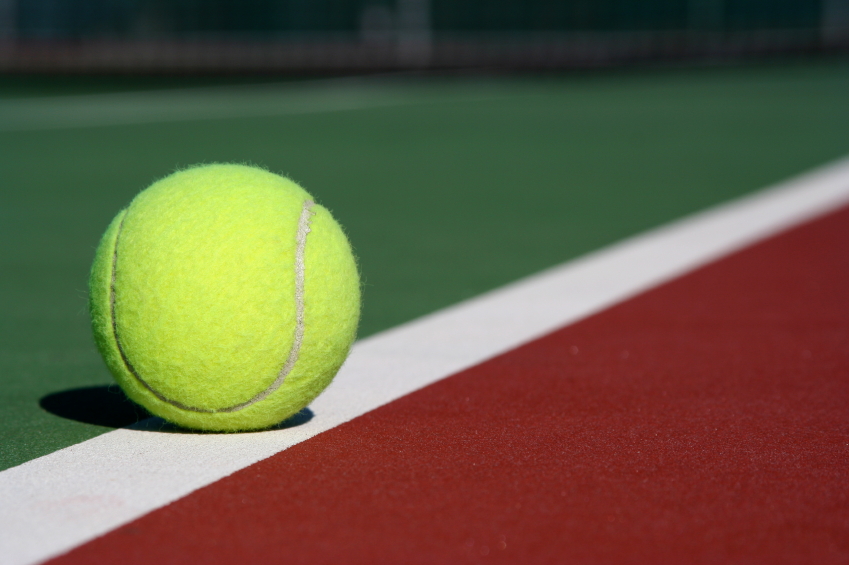
Natural grass is not always the preferred type of surface for sporting events, with artificial turf a synthetic alternative to sports played outdoors, such as tennis and football. The blades that make up the artificial turf cover a synthetic layer of polyester foam and rubber.
The materials used make it the perfect surface for sports that are particularly demanding to the turf, such as rugby or football. Artificial turf has its advantages over natural turf, including the fact that it’s cost-effective and easy to maintain. However, many have criticised artificial pitches for their differing effects on game play and performance compared to natural surfaces.
Some have even questioned its safety to those who compete, with injuries playing a huge part in determining the better of the two surfaces. Here, sports surface specialists have compiled a few of the pros and cons to each surface type, though the final choice is of course up to the user.
There’s often very little that can be done to cope with the ever-changing climate in some countries, with many sports clubs relocating their surfaces to indoor arenas. While this helps to keep natural surfaces intact, it can present further challenges when trying to meet the growth requirements of natural grass.
Artificial turf doesn’t need sunlight or water to be maintained, so any indoor surface would work well alongside synthetic surfaces. Artificial turf is also good if it’s particularly difficult to grow a healthy surface, which can be the case in some countries.
There are also benefits as far as the environment is concerned, with the production of artificial turf benefitting from recycled plastics and rubber. Natural grass would also require plenty of water, both for maintenance and prior to a sporting event taking place compared to an artificial surface.
Maintaining and funding artificial surfaces can be more expensive than natural surface in some cases, especially when natural grass is already present and does not need to be planted beforehand. Natural grass per square when not planted can be quite costly, although it’s just over half what you’d have to pay for artificial turf per square.
What makes the funding prices different is the maintenance, which can cost much more when looking after grass or fields. If you’re looking after natural grass you’ll need to consider mowing, watering, fertilising and controlling pests, while artificial surfaces require none of this to be maintained.
On the other hand, artificial turf can usually only accommodate one specific sport with markings sewn directly into the fibres. Natural fields can be painted and washed so that alternative markings can be placed depending on the sport taking place.
Artificial turf is manufactured so that every fibre blade is exactly the same as the one next to it, so as far as groundsmen are concerned, the consistency is unparalleled and there’s very little that needs to be done to ensure the surface is even.
In football for instance, the speed of the ball will hardly ever be a problem and players won’t have to concern themselves with uneven surfaces. There’s also less friction with artificial turf, which means that any object or person moving across it will move faster.
Footballers attempting long range passes along the floor will find it easier to reach their target. Due to the way in which the fabrics are constructed, players may even find it easier to turn, stop and move, with a more secure footing improving both speed and agility.
Despite these facts, footballers and sportsmen alike have shown a general preference towards natural surfaces in recent years.
There has been a recently introduced form of polyethylene fabric surface that is specifically designed to reduce the amount of friction between the skin of a sportsmen and the surface. These fibres are upgraded, however, meaning that there are still many artificial surfaces out there that cause more friction compared to natural surfaces.
For this reason, many sportsmen have preferred to play on natural surfaces as they are believed to cause less friction-based injuries and abrasions. Abrasions are not likely to see a player miss out on competing for long but they can be nasty and even aggravated if the surface causes too much friction, so it’s important that artificial pitches are cooled with water before a match takes place.
With so much attention focused on grass roots and the increase in the number of sporting surfaces to improve participation, the pros and cons of artificial sports surfaces have come to light in recent years.
However, with new and improved materials and the introduction of polyethylene fibres, it’s likely that artificial pitches will grow in popularity thanks to enhanced safety and performance and ultimately provide a significant contribution to the development of sports at grass roots level.