
Keeping Your Tennis Court in Good Shape – What to Look Out For
Your tennis court deserves the same amount of care and attention as anything else you own, especially when you consider that a neglected tennis court can become totally unplayable.
Look at it this way; you often restring your racquet, you change your oil every few thousand miles or so and you make sure you visit the dentist every 6-12 months. Your tennis court should be constantly maintained in a similar way.
It’s difficult to know where to start when you reach your tennis court (or courts) and analyse what needs to be done. You’ll need a schedule to start with so that you know where to begin.
You’re probably aware of the basics such as blowing leaves off of hard courts and applying seasonal maintenance to clay and grass courts. However, you may also have a budget to comply with and you don’t want to be throwing money at people to see if court equipment needs renovating or replacing.
Some deteriorating court signs are obvious and others are often hidden, so here’s what you need to look out for during the regular court check-up.
The Court Surface
As you’re probably aware there are a few different types of surface and each one requires its own form of maintenance. Hard courts are usually playable throughout the year, so they will need constant attention. To see whether the court is level, look out for spots on the court where puddles accumulate during rainfall.
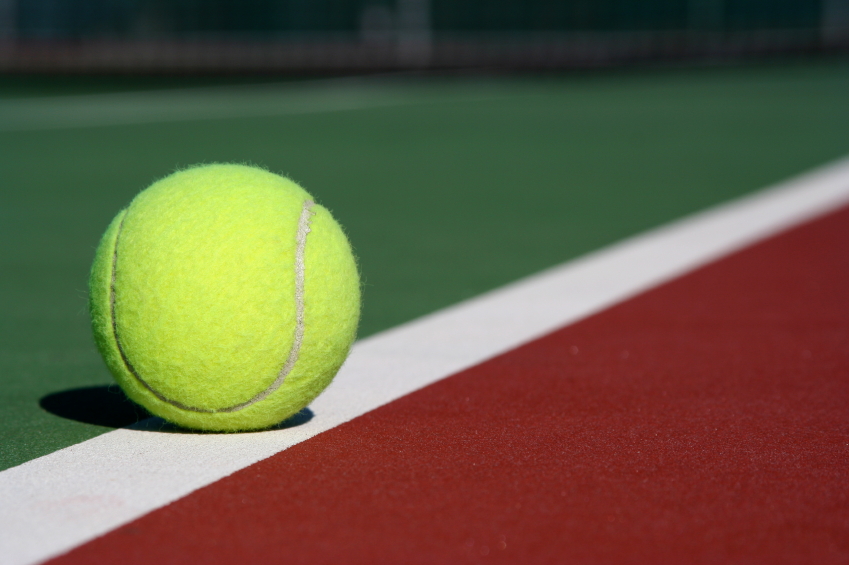
Check the lines on the court to see whether they are faded. You can quite easily get someone in to replace tennis court lines if they have started to fade. If you spot a crack anywhere on the court surface, it’s important to bring this up with a contractor as it could be down to one of many different problems.
It’s also important to have a good idea of the areas of the court that wear out the fastest, such as the baseline area. All you really need to rejuvenate this area of the court is an acrylic surfacing coating, which brings back the colour and finish of the court.
With clay courts it’s important to resurface when you notice loose sand being churned up. This can happen quite often if the play is quite fast and the court is used on a regular basis. You should make plans to resurface after this as the condition of the court can quickly worsen and potentially become dangerous.
The softer the court, the more maintenance is required regardless of how often they are used. If a court isn’t played on over the winter, it should be assessed throughout the colder months and be top-dressed when necessary.
If you notice the subsurface showing your court may being to attract the growth of weeds, moss and another potentially hazardous plant life, so make sure you address these issues before making the court playable.
The Nets
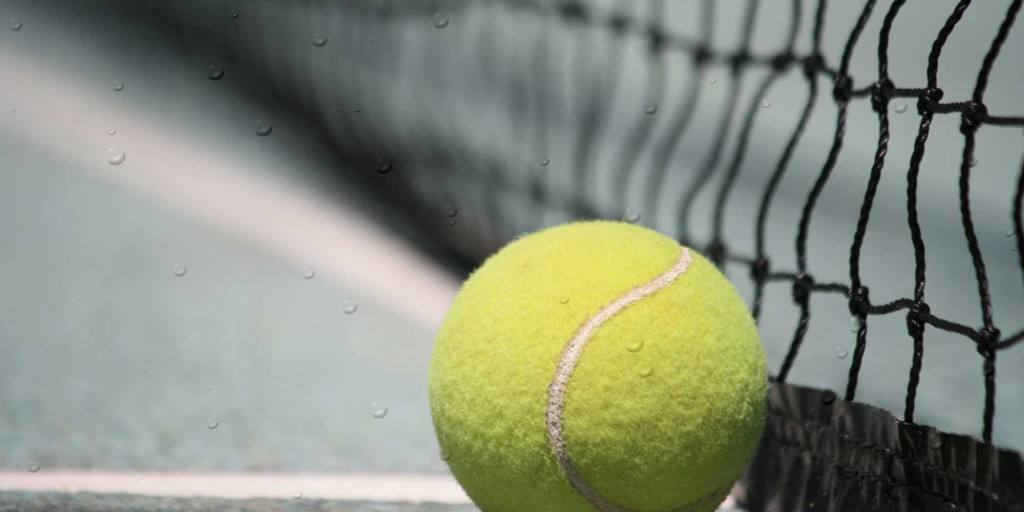
There are usually obvious sings that a tennis court net needs replacing. If the net is frayed, droops or has noticeable holes and tears in it it’s definitely time to think about a replacement. It may also be time think about a new net if it looks worn-out or dirty.
The various components of the net, such as the strap and the cable, as well any other additional components, should be in the best possible condition. You can easily get hold of some replacements parts if a specific component of the net is deteriorating. Centre straps and headbands are readily available on the market.
In order to get the best out of your tennis court you should look to replace nets annually. In addition, rotating different nets throughout the year contributes to a longer-lasting net that can be brought out during a specific season. Nets should definitely be stored away if you are planning a lengthy holiday in the foreseeable future.
Maintenance Equipment
Make sure all the maintenance equipment you have on site is on good condition as well, otherwise you risk damaging your court or worse, injuring someone. Check for loose heads and handles on maintenance equipment as well as sharp or broken edges. Repair these problems as often as possible and replace equipment when they aren’t safe to use.
Don’t resort to pushing maintenance equipment until they are completely worn out, as this will only contribute further to a damaged court. Instead, make the most of an extensive market full of tennis court maintenance equipment.
